
II. Physiology
- Rectum is lower 10 to 15 cm of Large Intestine
III. Anatomy: Images
-
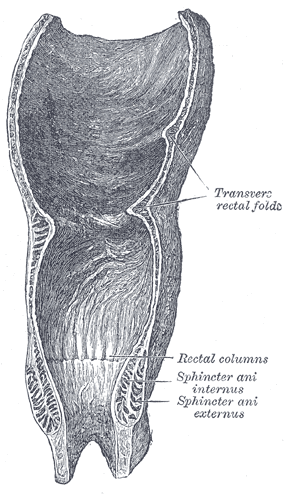
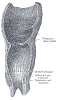 Lewis (1918) Gray's Anatomy 20th ed (in public domain at Yahoo or BartleBy)
-
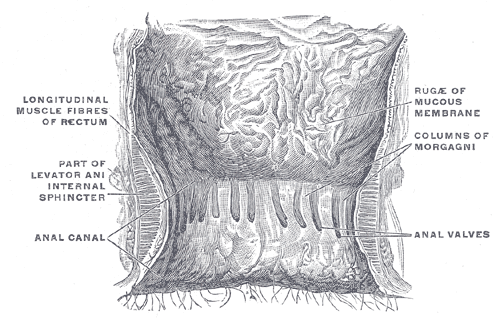
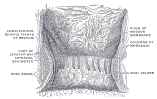 Lewis (1918) Gray's Anatomy 20th ed (in public domain at Yahoo or BartleBy)
IV. Anatomy
- Perianal skin
- Typical skin that bears hair and glands
- Anal Verge
- Analogous to vermillion border of lips
- Squamous Epithelium
- Exquisitely sensitive
- Shiny white mucosa
- External Hemorrhoids start here
- Dentate Line (Pectinate Line)
- Divides squamous epithelium from columnar epithelium
- Delineates end of pain sensory fibers
- Contains Anal glands (4 to 8)
- Drain into Crypts of Morgagni
- Responsible for most rectal abscesses and fistulae
- Mucosal Glandular Epithelium
- No Pain Sensation (stretch nerve fibers present)
- Deeper pink or red mucosa
- Internal Hemorrhoids start here
- Valves of Houston (superior, middle, and inferior)
- Prominent mucosal folds within Rectum
V. History
VI. Examination
- Patient position and preparation
- Left lateral decubitus position
- Assistant or patient spreads buttocks
- Findings on Inspection
- Rectal Examination